Your payment method leaves the claim openYou can submit an eligible expense paid out of pocket for reimbursement. The service must fall within your FSA coverage period, and the amount claimed must remain unreimbursed by insurance or another account. For example, an eligible $320 dental bill with at least $320 available in your FSA produces a $320 reimbursement after approval. That returns money already available through your benefit account. The tax benefit from your payroll contribution is separate from the $320 returned. Your plan also governs how much unused money carries over or receives extra time for eligible spending. The amount actually at risk of forfeiture depends on those provisions and the deadlines. Why a settled bill stays unclaimedYour credit-card payment settles what you owe the dentist. Your FSA administrator needs the claim and supporting records to pay you back. An itemized dental statement supplies details your card statement leaves out, including the service and the date you received it.
The dates on your accountYour coverage dates determine when the care must have occurred. Your filing deadline determines when the administrator must receive the claim; a run-out period gives you time to file for care from the covered period. Your receipt needs the patient's name, provider, service, service date, and amount. Your plan must cover that type of expense, and any amount reimbursed through the FSA is also excluded from medical expenses you deduct on your tax return. Do this
HealthEquity labels the reimbursement option Reimburse Me. Its EZ Receipts platform uses Pay Me Back. Estimated hands-on time: 15 minutes with the receipt ready, plus claim processing. A bill already paidYour unused balance and your existing receipts belong in the same calculation. An approved claim uses the FSA funds for care you have already received. For the $320 bill above, that means $320 returned to you through the reimbursement claim.
Sources: IRS: health FSAs · HealthEquity: reimbursement · HealthEquity: plan dates |
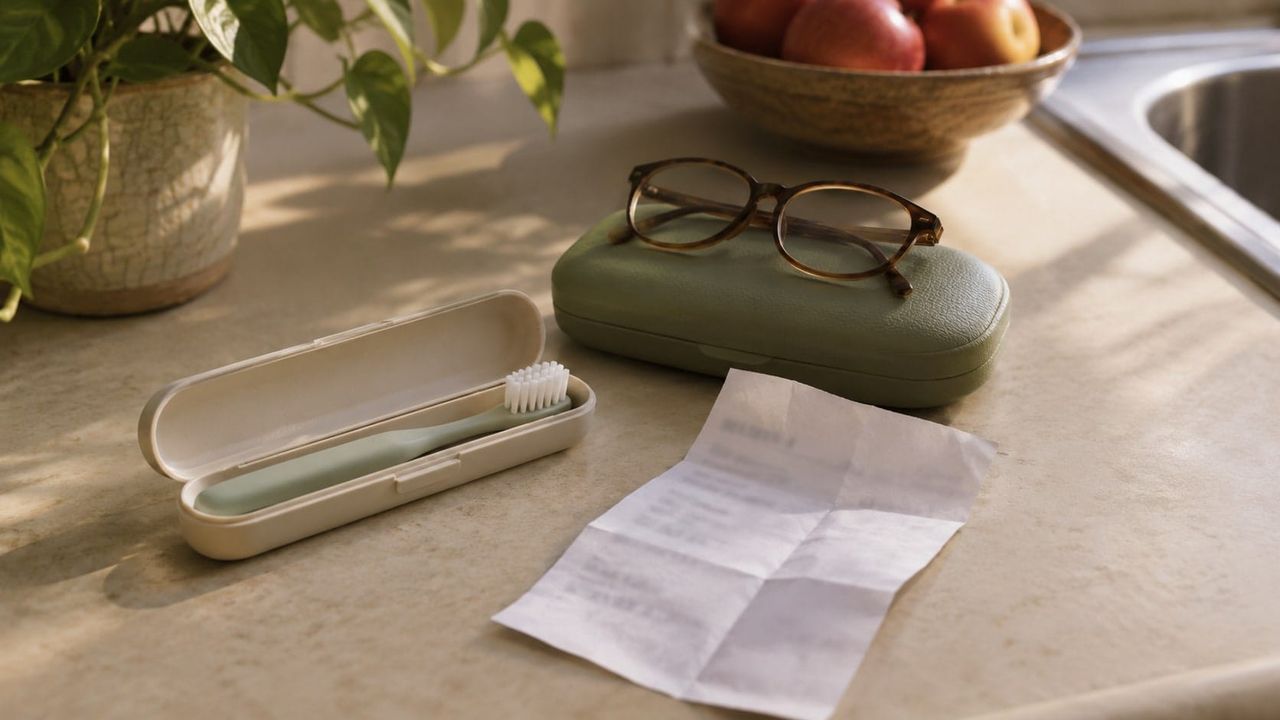
The dental bill your FSA hasn't seen. A bill paid with your regular card can still qualify for reimbursement.
You can submit an eligible expense paid out of pocket for reimbursement. The service must fall within your FSA coverage period, and the amount claimed must remain unreimbursed by insurance or another account.
Life Hacks
Daily, free, about four minutes to read.